Foot Hygiene: The Cornerstone of Routine Foot Care and Healthier Feet
Your feet do a tremendous amount of work every day, yet they are often one of the last parts of the body we think about caring for. We wash our hands throughout the day, brush our teeth every morning and night, and follow routines to care for our skin—but our feet can easily become an afterthought.
The truth is that good foot hygiene is one of the simplest and most important parts of routine foot care. A few minutes of attention each day can help prevent common problems such as dry or cracked skin, fungal infections, unpleasant odor, ingrown toenails, and sores. For people living with diabetes, poor circulation, or other conditions affecting the feet, those small daily habits become even more important.
At Capital Foot Care, Dr. Muhammad A. Khalid, DPM, Dr. Fritz-Andre Duterlein, and Dr. Herman Zarate regularly help patients manage foot problems that may have started with something seemingly minor. Our goal is not only to treat foot conditions when they appear, but also to help patients understand what they can do every day to keep their feet healthier.
Healthy Feet Begin With a Simple Daily Routine
Good foot care does not need to be complicated.
Start by washing your feet every day with warm water and a mild soap. Take a moment to clean around your toes and between them rather than simply letting water run over your feet in the shower. Afterward, dry your feet carefully, especially between the toes.
That last step matters more than many people realize. Moisture trapped between the toes creates an environment where fungi and other microorganisms can thrive. Keeping these areas clean and dry can reduce the chances of developing problems such as athlete's foot.
Your daily routine is also a perfect opportunity to actually look at your feet.
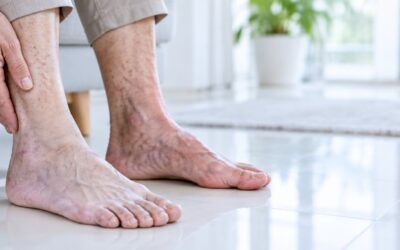
Pay attention to changes you may otherwise miss: redness, peeling skin, blisters, cracks, swelling, sores, discoloration, or changes around the toenails. Most minor foot problems are easier to manage when they are noticed early.

Don't Forget About Dry Skin
Clean feet are important, but healthy skin also needs moisture.
The skin on the heels and soles can become extremely dry, particularly during colder months or when someone spends a lot of time standing. When that skin becomes too dry, it can crack. Deep cracks can be painful and may create an opening through which bacteria can enter.
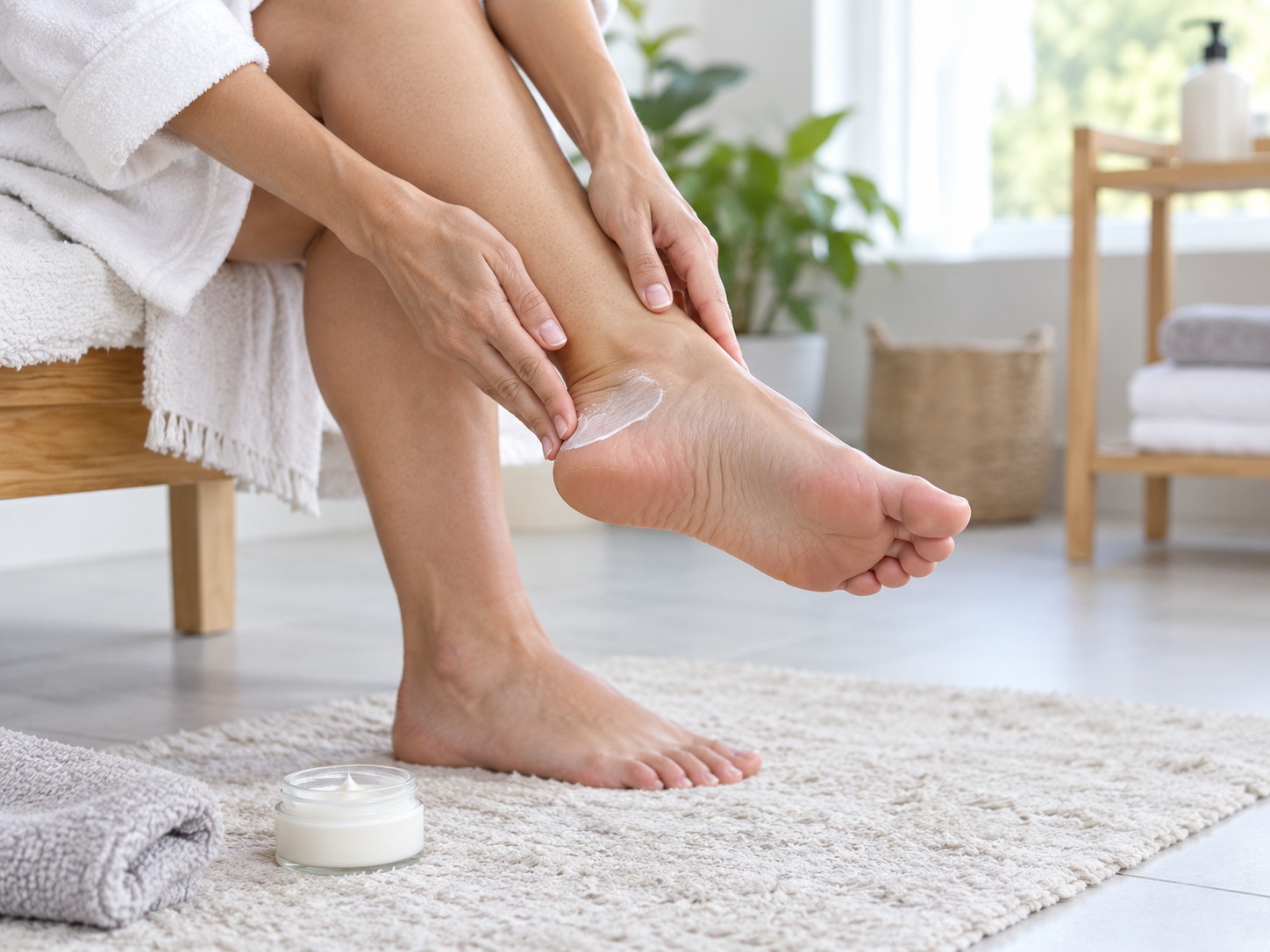
Applying a gentle moisturizer to the tops, bottoms, heels, and sides of the feet can help maintain healthy skin.
Keep the spaces between your toes dry.
Avoid putting moisturizer between the toes unless your healthcare provider specifically recommends it. Excess moisture can encourage fungal growth.
People with diabetes should be especially careful with dry or cracked skin because changes in circulation or sensation may make small injuries harder to notice.
Your Socks and Shoes Are Part of Foot Hygiene Too
You can wash your feet perfectly and still run into problems if you put them directly into damp socks or poorly ventilated shoes.
Fresh, clean socks help manage moisture throughout the day. If your feet sweat heavily, moisture-wicking socks may help keep them more comfortable and dry. Changing into a fresh pair when socks become damp can also be helpful.
Shoes deserve attention as well.
Whenever possible, give frequently worn shoes time to dry and air out rather than wearing a damp pair day after day. Shoes should fit comfortably without repeatedly rubbing, pinching, or placing excessive pressure on the toes.
Before putting your shoes on, particularly if you have diabetes or decreased sensation in your feet, take a quick look or feel inside. A tiny pebble, folded sock liner, or other object may not seem like much, but constant pressure over several hours can irritate the skin and potentially cause an injury.

Toenail Care Is More Important Than It Looks
Toenails are another part of foot hygiene that is easy to overlook.
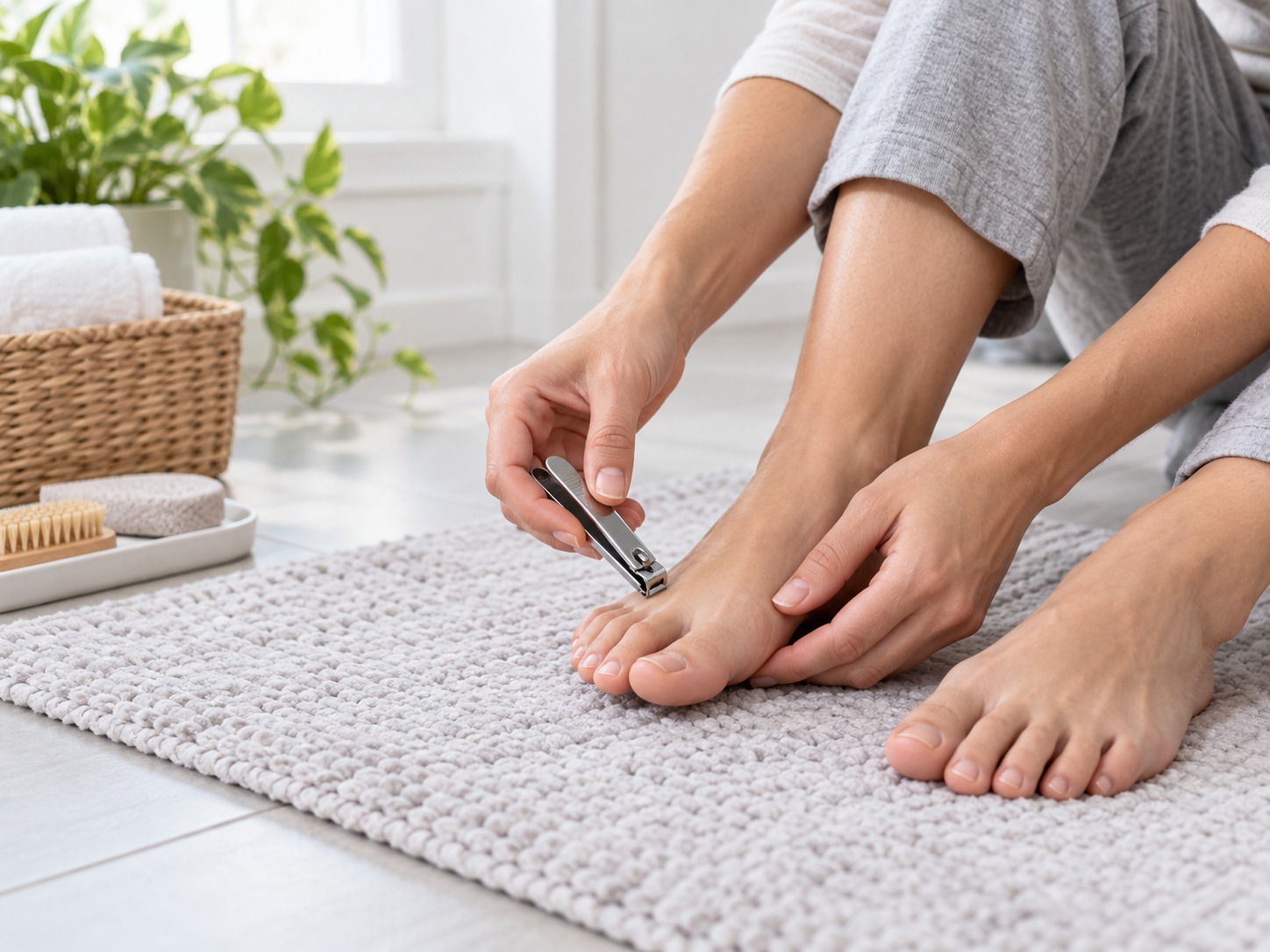
Keeping nails appropriately trimmed helps prevent them from becoming uncomfortable or pressing against neighboring toes. Nails are generally trimmed straight across rather than digging deeply into the corners, which can contribute to ingrown toenails.
However, not everyone should manage difficult toenails on their own.
If your toenails are unusually thick, discolored, painful, difficult to reach, or difficult to cut, professional care may be the safer choice. The same is especially true for individuals with diabetes, neuropathy, poor circulation, or a history of foot wounds.
Trying to aggressively cut a difficult nail, corn, or callus at home can turn a small issue into a much bigger one.
Why Foot Hygiene Matters Even More When You Have Diabetes
For someone with diabetes, checking and caring for the feet isn't simply about keeping them looking good.
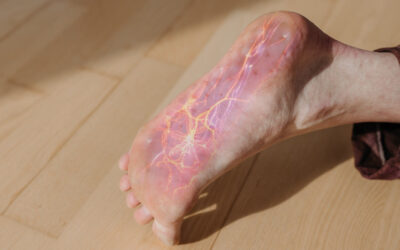
Diabetic neuropathy can reduce sensation in the feet. A person may develop a blister, cut, or pressure area without feeling the usual pain that would normally signal that something is wrong. Diabetes can also be associated with circulation problems that may make injuries more difficult to heal.
That is why a daily foot inspection is so valuable.
If reaching the bottom of your feet is difficult, a mirror can help. A family member or caregiver can also assist. Look for cuts, redness, swelling, blisters, cracked skin, drainage, or anything that appears different from the day before.
At Capital Foot Care, diabetic foot care is an important part of the services we provide. Our team can monitor changes in the skin, nails, sensation, and circulation and help patients establish a routine based on their individual risk factors.
Poor Circulation Can Turn Small Problems Into Bigger Ones
Foot hygiene also plays an important role for people with Peripheral Artery Disease (PAD) and other circulation concerns.
When blood flow to the lower extremities is reduced, the body may have more difficulty healing an injury. A small sore that might otherwise resolve can become persistent and require professional attention.
This is one reason we encourage patients not to ignore wounds simply because they look small.
Capital Foot Care provides PAD evaluation and management, diabetic foot care, routine foot care, and advanced wound care for patients whose foot health may be affected by underlying medical conditions. When appropriate, our providers can evaluate whether circulation, pressure, infection, or other factors may be contributing to a problem that isn't healing normally.
Routine Foot Care Is Preventive Care
Many patients think they should visit a podiatrist only when something hurts.
We would rather help you before it reaches that point.
Routine foot care allows problems to be identified while they are still manageable. Depending on an individual's needs, that may include evaluating toenails and skin, addressing corns and calluses, monitoring diabetic feet, assessing circulation concerns, treating recurring conditions, or simply answering questions about changes you've noticed.
Capital Foot Care offers a range of services including:
- Routine Foot Care
- Diabetic Foot Care
- Advanced Wound Care
- Peripheral Artery Disease evaluation and management
Dr. Muhammad A. Khalid, DPM, Dr. Fritz-Andre Duterlein, and Dr. Herman Zarate work with patients to address existing concerns while also helping them understand how to protect their feet between appointments.
Sometimes the most valuable part of a podiatry visit is learning how to keep today's small problem from becoming tomorrow's serious one.

When Should You See a Podiatrist?
Not every dry spot or occasional ache requires medical treatment, but there are changes you should not ignore.
Persistent pain, numbness, swelling, drainage, increasing redness, unusual warmth, discoloration, open sores, recurring fungal infections, painful ingrown toenails, or wounds that are not improving should be evaluated.
People with diabetes, neuropathy, or known circulation problems should be particularly cautious about attempting to treat wounds, corns, or calluses themselves.
When you're unsure, having the area evaluated is better than allowing a potentially treatable problem to progress.
Make Healthy Feet Part of Your Everyday Routine
You don't need an elaborate foot-care routine to make a meaningful difference. Wash your feet. Dry them well. Keep your skin comfortable. Wear clean socks and properly fitting shoes. Look at your feet regularly.
Most importantly, pay attention when something changes.
Those simple habits form the foundation of good foot health—and when you need additional help, the team at Capital Foot Care is here to provide professional care.
Take the Next Step Toward Healthier Feet
Schedule an appointment with Capital Foot Care and make routine foot care part of your health plan.
Our providers serve patients at convenient locations throughout Maryland and Washington, DC:
To schedule an appointment with Capital Foot Care, call 301-927-FOOT (3668) or email [email protected].
Healthy feet don't happen only in the doctor's office. They begin with the small things you do for them every day.
Frequently Asked Questions About Foot Hygiene
How often should I wash my feet?
For most people, washing the feet once daily with warm water and a mild soap is a good routine. Make sure to dry thoroughly afterward, especially between the toes.
Should I moisturize my feet every day?
If your feet are dry, regular moisturizing can help reduce cracking and maintain healthier skin. Apply moisturizer to dry areas such as the heels, tops, and bottoms of the feet, but generally avoid applying it between the toes.
Why should people with diabetes check their feet every day?
Diabetic neuropathy may reduce the ability to feel pain or injury. A daily visual inspection can help identify blisters, cuts, redness, swelling, or sores that might otherwise go unnoticed.
Can I cut my own corns and calluses?
It is not a good idea to cut or shave corns and calluses yourself, particularly if you have diabetes, poor circulation, or decreased sensation. A podiatrist can determine the safest way to manage them.
When should I make an appointment with a podiatrist?
Consider professional evaluation if you notice persistent pain, numbness, swelling, wounds, drainage, skin discoloration, recurring infections, troublesome toenails, or other changes that are not improving. Patients with diabetes or circulation problems may benefit from regular preventive foot evaluations even when nothing hurts.