Peripheral Artery Disease (P.A.D.) is a progressive circulatory condition that affects millions of people by reducing blood flow to the legs and feet. Left untreated, PAD can lead to chronic pain, slow-healing wounds, infections, and, in severe cases, limb loss. While medical treatment plays a vital role in managing the condition, healthy lifestyle choices are equally important in slowing disease progression and improving overall vascular health.
At Capital Foot Care, we believe that prevention is one of the most powerful tools in protecting your feet and maintaining your mobility. Our experienced podiatrists—Dr. Muhammad A. Khalid, DPM, Dr. Fritz-Andre Duterlein, and Dr. Herman Zarate—work closely with patients to develop personalized treatment plans that combine expert medical care with practical lifestyle recommendations. By making small but meaningful changes, many patients can improve circulation, reduce symptoms, and lower their risk of serious complications.
Understanding the Impact of Lifestyle on P.A.D.
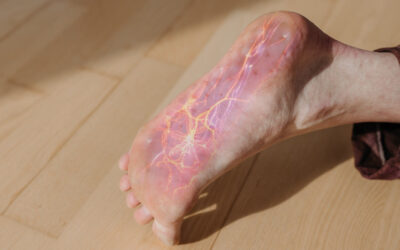
Peripheral Artery Disease develops when fatty deposits, known as plaque, accumulate inside the arteries and restrict blood flow. Over time, this reduced circulation deprives muscles and tissues of the oxygen and nutrients they need to function and heal properly. Although age and genetics play a role, many of the major risk factors for PAD are directly related to lifestyle.
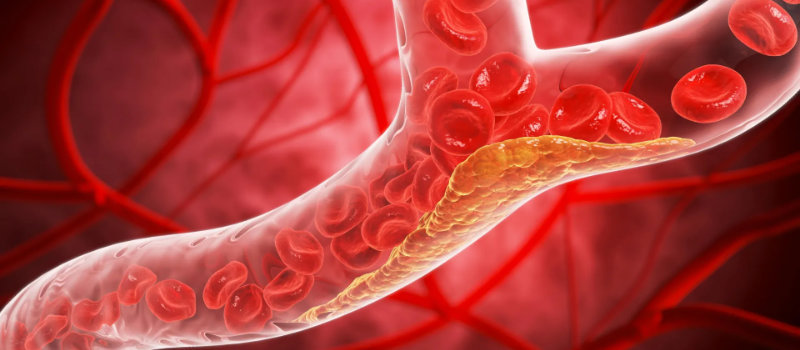
Smoking, uncontrolled diabetes, high blood pressure, high cholesterol, obesity, and physical inactivity all contribute to the development and progression of vascular disease. Fortunately, addressing these factors can significantly improve circulation and overall cardiovascular health.
Stay Physically Active
Regular exercise is one of the most effective ways to manage PAD. Physical activity encourages the body to develop alternative pathways for blood flow, improves circulation, and strengthens the muscles in the legs. Many patients with PAD experience discomfort while walking, known as intermittent claudication, but structured walking programs have been shown to reduce symptoms and improve endurance over time.
Even moderate activities such as walking, cycling, or swimming can make a significant difference. Before beginning an exercise routine, however, it is important to consult with your healthcare provider or podiatrist to ensure your plan is both safe and appropriate for your condition.

Maintain a Heart-Healthy Diet
Good nutrition plays an essential role in managing both PAD and overall vascular health. A diet rich in vegetables, fruits, whole grains, lean proteins, and healthy fats helps lower cholesterol levels, regulate blood sugar, and reduce inflammation throughout the body.
Patients should also limit foods high in saturated fat, sodium, and added sugars, as these can contribute to plaque buildup and increase cardiovascular risk. Maintaining a healthy weight further reduces strain on the circulatory system and lowers the likelihood of developing complications associated with PAD.
Quit Smoking and Manage Chronic Conditions
Smoking is one of the leading causes of Peripheral Artery Disease because it damages blood vessels and accelerates plaque formation. Quitting smoking is one of the most important lifestyle changes a patient with PAD can make. Although quitting can be difficult, the benefits begin almost immediately, with improvements in circulation and cardiovascular function occurring shortly after stopping.

Managing chronic conditions is equally important. Keeping diabetes, high blood pressure, and high cholesterol under control helps protect blood vessels and slows the progression of vascular disease. Routine medical checkups and following prescribed treatment plans are essential components of long-term success.
Protect Your Feet Every Day
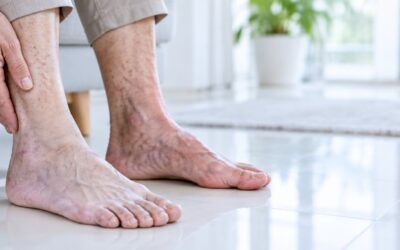
Patients with PAD should pay close attention to their feet. Reduced circulation means that even small cuts, blisters, or pressure points can become serious wounds if left untreated. Daily foot inspections, proper hygiene, wearing supportive footwear, and avoiding walking barefoot can help prevent injuries and infections.
Routine visits to a podiatrist are also critical. Early detection of circulation problems or skin changes allows treatment to begin before complications develop.
Comprehensive PAD Care at Capital Foot Care
At Capital Foot Care, we provide comprehensive care for patients living with Peripheral Artery Disease and other vascular conditions. Our services include Peripheral Artery Disease evaluations and management, diabetic foot care, advanced wound care, routine foot care, in-office surgical procedures, and sports medicine. Every patient receives an individualized treatment plan focused on improving circulation, preventing complications, and maintaining long-term foot health.

Our experienced providers understand that successful PAD management requires both expert medical treatment and patient education. By combining advanced diagnostics with compassionate care, we help patients make informed decisions about their health and lifestyle.
Capital Foot Care proudly serves patients at our convenient locations:
Riverdale Office
6510 Kenilworth Avenue, Suite 2300
Riverdale, MD 20737
Takoma Park Office
7610 Carroll Avenue, Suite 380
Takoma Park, MD 20912
Largo Office
8816 Jericho City Drive
Largo, MD 20785
Washington, DC Office
2041 Martin Luther King Jr. Avenue SE, Suite 103
Washington, DC 20020
Washington, DC Office
1328 Southern Avenue SE, Suite 209
Washington, DC 20032
Take the First Step Toward Better Vascular Health
Managing Peripheral Artery Disease starts with making informed choices and partnering with experienced healthcare professionals. Whether you have recently been diagnosed with PAD or are looking to reduce your risk, the team at Capital Foot Care is here to help you every step of the way.
Call 301-927-FOOT (3668) or email [email protected] to schedule your appointment today. Together, we can help you improve your circulation, protect your feet, and enjoy a healthier, more active life.