Identifying and Managing Vascular Diseases in the Lower Limbs
Healthy circulation is essential for maintaining strong, pain-free legs and feet. Every step you take depends on a healthy vascular system that delivers oxygen and nutrients to your muscles, skin, and tissues. When blood flow becomes restricted due to vascular disease, your lower limbs are often the first part of your body to show warning signs. Unfortunately, many people mistake these symptoms for normal aging or fatigue, delaying treatment until complications develop.
At Capital Foot Care, we understand how closely vascular health and foot health are connected. Our experienced team, led by Dr. Muhammad A. Khalid, DPM, Dr. Fritz-Andre Duterlein, and Dr. Herman Zarate, provides comprehensive evaluations and treatment for patients experiencing circulation problems affecting the legs and feet. Through early diagnosis, personalized care, and advanced treatment options, we help patients protect their mobility and reduce the risk of serious complications.
What Are Vascular Diseases of the Lower Limbs?
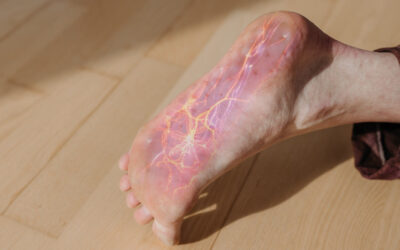
Vascular diseases are conditions that affect the arteries and veins responsible for carrying blood throughout your body. When these blood vessels become narrowed, blocked, or damaged, circulation to the lower extremities decreases. As a result, the muscles, skin, and tissues in the legs and feet receive less oxygen and fewer nutrients, making it difficult for them to function properly and heal after injury.
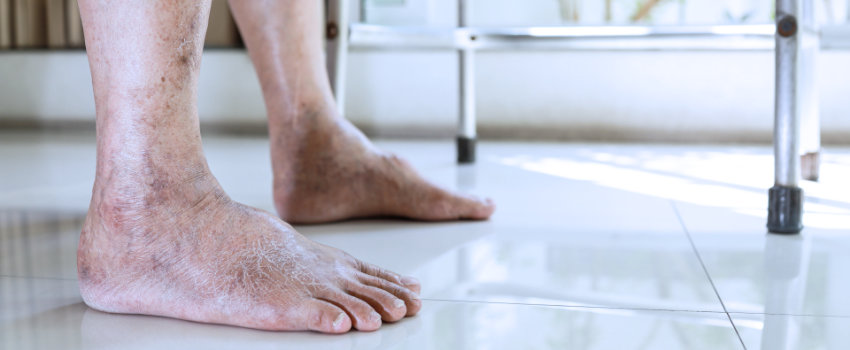
One of the most common vascular conditions affecting the lower limbs is Peripheral Artery Disease (PAD). PAD develops when plaque builds up inside the arteries, restricting blood flow to the legs and feet. Chronic venous insufficiency is another common vascular condition that affects the veins, making it difficult for blood to return to the heart and causing swelling, discomfort, and skin changes.
Without proper treatment, vascular diseases can lead to chronic pain, non-healing wounds, infections, and an increased risk of limb loss.
Recognizing the Early Warning Signs
Early detection is one of the most important factors in successfully managing vascular disease. While symptoms may develop gradually, recognizing them early allows treatment to begin before permanent damage occurs.
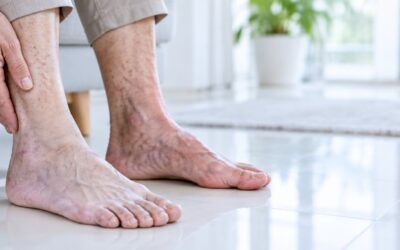
Many patients first notice discomfort while walking. Leg pain or cramping that improves with rest—known as intermittent claudication—is often one of the earliest signs of PAD. Others experience numbness, weakness, cold feet, or changes in skin color. Some notice that wounds or cuts on their feet heal much more slowly than they used to.
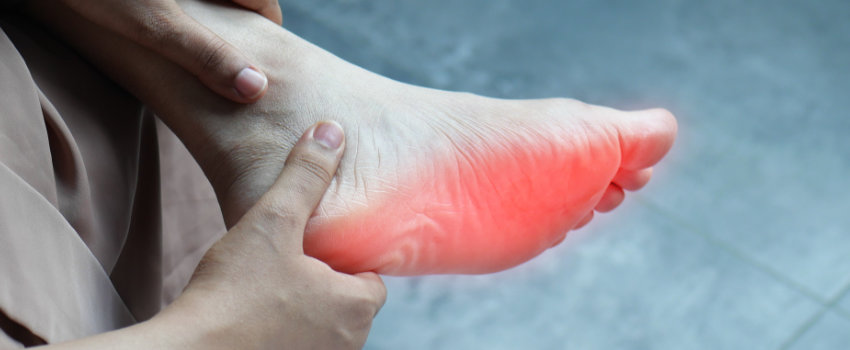
Hair loss on the legs, thickened toenails, shiny skin, or decreased pulses in the feet may also indicate reduced circulation. Although these symptoms may appear minor initially, they should never be ignored, particularly for individuals living with diabetes, high blood pressure, or high cholesterol.
Who Is Most at Risk?
Several factors increase the likelihood of developing vascular disease in the lower limbs. Individuals with diabetes are especially vulnerable because elevated blood sugar damages both blood vessels and nerves over time. Smoking, obesity, high cholesterol, high blood pressure, advancing age, and a family history of cardiovascular disease also significantly increase the risk.
Patients with diabetes face an even greater challenge because reduced sensation caused by diabetic neuropathy may prevent them from noticing injuries until they become infected. Combined with poor circulation, this creates a much higher risk of developing chronic foot ulcers and serious infections.
Comprehensive Vascular Care at Capital Foot Care
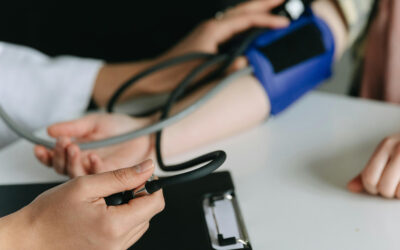
At Capital Foot Care, we believe that prevention and early intervention are the foundation of successful treatment. Our team performs comprehensive foot and vascular evaluations to identify circulation problems before they become severe. We use advanced diagnostic techniques to evaluate blood flow and determine whether conditions such as Peripheral Artery Disease are affecting your lower limbs.
Our comprehensive services include Peripheral Artery Disease (PAD) evaluations and management, diabetic foot care, advanced wound care, routine foot care, in-office surgical procedures, and sports medicine. Every treatment plan is personalized to address each patient’s medical history, lifestyle, and long-term health goals.
When wounds or ulcers are present, our advanced wound care program focuses on promoting faster healing while treating the underlying vascular condition contributing to delayed recovery. By addressing both the symptoms and their root cause, we help patients achieve better outcomes and reduce the risk of future complications.
Expert Care You Can Trust
Choosing an experienced podiatry team can make a significant difference in managing vascular disease successfully. Dr. Muhammad A. Khalid, Dr. Fritz-Andre Duterlein, and Dr. Herman Zarate combine years of experience with compassionate, patient-centered care to help individuals maintain healthy circulation and protect their feet from preventable complications.

Capital Foot Care proudly serves patients at our convenient locations in:
- Riverdale, Maryland
- Takoma Park, Maryland
- Largo, Maryland
- Washington, DC (Martin Luther King Jr. Avenue SE)
- Washington, DC (Southern Avenue SE)
Whether you’re experiencing leg pain, slow-healing wounds, numbness, or simply want to be proactive about your vascular health, our team is here to help.
Protect Your Circulation Before Problems Develop
Vascular diseases of the lower limbs are highly treatable when identified early. Ignoring symptoms can allow the condition to progress, increasing the risk of infection, chronic wounds, and loss of mobility. Taking action today can protect your health tomorrow.
Schedule your comprehensive vascular evaluation with Capital Foot Care by calling 301-927-FOOT (3668) or emailing [email protected]. Our experienced providers are committed to helping you maintain healthy circulation, healthier feet, and a more active lifestyle.