
Diabetic Neuropathy: Early Signs, Prevention Tips, and When to See a Podiatrist
Diabetes affects millions of Americans and is one of the leading causes of foot complications. While many people understand the importance of controlling blood sugar, fewer realize that diabetes can also damage the nerves that allow your feet to feel pain, temperature, and pressure. This condition, known as diabetic neuropathy, often develops gradually and may go unnoticed until serious complications occur.
Without proper care, diabetic neuropathy can increase the risk of foot ulcers, infections, poor wound healing, and even amputation. The encouraging news is that early diagnosis, preventive care, and routine visits to a podiatrist can dramatically reduce these risks.
At Capital Foot Care, helping patients prevent diabetic foot complications is one of our highest priorities. Our experienced providers—Dr. Muhammad A. Khalid, DPM, Dr. Fritz-Andre Duterlein, and Dr. Herman Zarate—combine years of expertise with advanced technology to diagnose diabetic neuropathy early and provide personalized treatment plans that protect your feet for years to come.
What Is Diabetic Neuropathy?
Diabetic neuropathy is a form of nerve damage caused by prolonged high blood sugar levels. Over time, elevated glucose damages the tiny blood vessels that supply oxygen and nutrients to the nerves, particularly those in the feet and lower legs. As nerve function declines, patients begin losing the ability to feel pain, pressure, and temperature changes.

Because the condition develops slowly, many people do not recognize the symptoms until nerve damage has already progressed. Unfortunately, this loss of sensation means that cuts, blisters, burns, or pressure sores can go unnoticed and untreated, creating the perfect environment for infection and chronic wounds.
Early Signs You Should Never Ignore
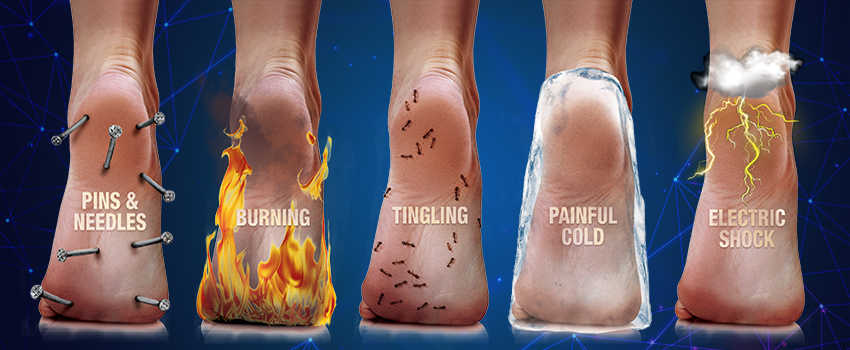
The earliest symptoms of diabetic neuropathy are often subtle. Many patients describe tingling, burning sensations, or “pins and needles” in their feet. Others notice numbness that comes and goes before becoming more persistent.
As the condition progresses, patients may experience reduced sensitivity to touch, difficulty recognizing hot or cold temperatures, muscle weakness, balance problems, or unexplained foot injuries. Some people even lose feeling completely, making it impossible to detect a blister, splinter, or developing ulcer until significant damage has occurred.
If you experience any of these symptoms, scheduling a comprehensive diabetic foot evaluation is one of the most important steps you can take to protect your long-term health.
Why Early Diagnosis Is So Important
Diabetic neuropathy cannot always be reversed, but early diagnosis can significantly slow its progression and reduce the risk of complications. Routine foot examinations allow podiatrists to identify changes in nerve function before serious injuries develop.
At Capital Foot Care, our providers perform comprehensive diabetic foot evaluations that include neurological testing, circulation assessments, skin evaluations, and gait analysis. These examinations help identify early warning signs while allowing us to create individualized treatment plans based on each patient’s level of risk.
Patients with diabetic neuropathy are also at greater risk for Peripheral Artery Disease (PAD), another condition that restricts blood flow to the feet. When neuropathy and PAD occur together, wounds become much more difficult to heal, making early diagnosis even more critical.
Preventing Diabetic Neuropathy and Foot Complications
Although not every case of diabetic neuropathy can be prevented, there are many steps patients can take to reduce their risk and preserve healthy nerve function.
Maintaining healthy blood sugar levels remains the single most effective way to slow nerve damage. Following your physician’s recommendations regarding medication, nutrition, and physical activity helps protect both your nerves and your circulation.

Daily foot inspections are equally important. Checking your feet each day for cuts, redness, swelling, blisters, or skin changes allows you to identify problems before they become serious. Wearing properly fitted shoes and avoiding walking barefoot also reduces the risk of injury.
Routine visits to a podiatrist should become part of every diabetic patient’s healthcare routine. Professional foot examinations often identify problems long before patients notice symptoms themselves.
Comprehensive Diabetic Foot Care at Capital Foot Care
At Capital Foot Care, we provide comprehensive diabetic foot care designed to prevent complications before they threaten your health. Our experienced providers understand that successful diabetic foot management requires much more than treating symptoms—it requires addressing the underlying causes while educating patients on long-term prevention.
Our comprehensive services include Diabetic Foot Care, Advanced Wound Care, Routine Foot Care, Peripheral Artery Disease (PAD) evaluation and management, In-Office Surgery, and Sports Medicine. Whether you’re experiencing numbness, managing a chronic wound, or simply want to stay ahead of future complications, our team is here to help.
Patients who develop diabetic foot ulcers benefit from our Advanced Wound Care Program, which includes professional wound debridement, advanced dressings, infection management, pressure offloading, and continuous monitoring. Our goal is to promote faster healing while reducing the risk of hospitalization or limb loss.
For patients experiencing poor circulation, we also perform vascular evaluations to identify conditions such as PAD that may be contributing to delayed healing or increasing the risk of future complications.
Why Patients Trust Capital Foot Care
Choosing the right podiatrist is one of the most important decisions diabetic patients can make. Dr. Muhammad A. Khalid, Dr. Fritz-Andre Duterlein, and Dr. Herman Zarate are committed to delivering compassionate, evidence-based care tailored to each patient’s unique needs.

Our team believes that patient education is just as important as treatment. We work closely with every individual to develop personalized prevention strategies that help maintain healthy feet and improve quality of life.
Capital Foot Care proudly serves patients throughout the region with convenient office locations in:
Riverdale, Maryland
6510 Kenilworth Avenue, Suite 2300
Takoma Park, Maryland
7610 Carroll Avenue, Suite 380
Largo, Maryland
8816 Jericho City Drive
Washington, DC
2041 Martin Luther King Jr. Avenue SE, Suite 103
Washington, DC
1328 Southern Avenue SE, Suite 209
Protect Your Feet Before Problems Begin
Diabetic neuropathy often develops quietly, but its consequences can be life-changing if left untreated. Early diagnosis, routine foot examinations, and expert podiatric care are the best ways to protect your feet and maintain your independence.
If you have diabetes or are experiencing numbness, tingling, burning sensations, or changes in your feet, don’t wait for symptoms to worsen.
Contact Capital Foot Care today by calling 301-927-FOOT (3668) or emailing [email protected] to schedule your comprehensive diabetic foot evaluation. Our experienced team is committed to helping you stay healthy, active, and confidently on your feet.