
Capital Foot Care Articles
Slow-Healing Foot Wounds: How Everyday Eating Habits Support Recovery

In this article
When you're dealing with a foot wound, most of your attention naturally goes to the wound itself. You want to know whether it's getting smaller, whether the dressing is working, and how long it will take before you can get back to your usual activities.
But there's something else worth considering: Is your body getting the nutrition it needs to heal?
Food probably isn't the first thing that comes to mind when you think about wound care. Yet healing requires energy and nutrients, and not eating enough can make recovery more challenging.
At Capital Foot Care, we understand that caring for a wound means looking beyond what's happening on the surface. Your overall health, circulation, daily habits, and nutrition can all influence how well your body recovers.
Why Eating Enough Matters During Wound Healing
Your body works hard to repair damaged tissue. It builds new cells, produces collagen, and supports the immune system as part of the healing process.
All that work requires energy.
When someone isn't eating enough, the body may have difficulty meeting those demands. Protein is particularly important for tissue repair, but adequate calories and a varied diet matter too.
That doesn't mean you need a complicated meal plan or expensive specialty foods.
Often, the starting point is simply making sure you're eating enough throughout the day.
If you'd like to understand the specific nutrients involved, our earlier article, The Essential Role of Nutrition in Wound Healing, explains how protein, vitamins, and minerals support tissue repair.
The Eating Habits That Can Make Recovery More Difficult
Sometimes the challenge isn't knowing which foods are healthy. It's finding the energy or appetite to eat them.
Maybe you're taking medication that makes you feel nauseated. Perhaps standing long enough to prepare dinner is uncomfortable because of your foot. Or you may live alone and find yourself skipping meals because cooking for one person feels like too much work.
These situations are more common than people realize.
Skipping meals regularly, eating very small portions, or relying on an extremely limited selection of foods may leave your body without enough energy or nutrients to support healing.
Unintentional weight loss, reduced appetite, and difficulty shopping for or preparing food are worth discussing with your healthcare provider.
You don't need to eat perfectly. You need an approach you can maintain.
What Does a Practical Eating Routine Look Like?

Start with what you already enjoy eating and build from there.
Breakfast might be eggs with whole-grain toast and fruit. Lunch could be chicken and vegetables with rice, or a simple bean-based meal. Dinner might include fish, potatoes, and cooked vegetables.
If large meals feel overwhelming, smaller meals and snacks may be easier.
Yogurt, peanut butter, cheese, hummus, or other foods that fit your dietary needs can provide convenient options when you don't feel like preparing a full meal.
The goal isn't to follow a rigid menu. It's to eat consistently and include a variety of foods that provide energy and support tissue repair.
And remember, your eating plan should account for any medical conditions or dietary restrictions you already have.
What If You Have Diabetes?
For patients living with diabetes, nutrition and wound healing require a little more planning.
Blood sugar management is an important part of diabetic wound care. Persistently elevated blood glucose can interfere with normal healing and increase the risk of complications.
However, that doesn't mean you should skip meals or eliminate entire food groups to keep your blood sugar low.
Your body still needs sufficient nutrition.
A balanced eating plan, appropriate portion sizes, and consistent management of your diabetes can help you meet your nutritional needs while working toward the blood sugar goals established by your healthcare team.
If you also have kidney disease, certain foods, protein amounts, and fluid recommendations may need to be adjusted.
At Capital Foot Care, Diabetic Foot Care and Advanced Wound Care are important parts of helping patients protect their feet. Nutrition is one consideration alongside circulation, nerve function, pressure, and the wound itself.
Do You Need Vitamins or Wound-Healing Supplements?
Walk through a pharmacy or search online, and you'll find plenty of supplements claiming to support skin repair or faster wound healing.
It's understandable to be interested, especially when you've been waiting for a wound to improve.
But more vitamins don't automatically mean faster healing.
Supplements may be helpful when nutritional intake is inadequate or a deficiency is identified. However, taking high doses without medical guidance can be unnecessary or potentially harmful.
If you're struggling to eat enough, ask your healthcare provider whether a registered dietitian or an appropriate nutritional supplement could help.
For many patients, improving everyday food intake is a useful first step.
Why Nutrition Alone May Not Be Enough
Imagine following a balanced diet, drinking enough fluids, and doing everything you can to care for your wound—but it still isn't healing.
That doesn't necessarily mean you're eating the wrong foods.
Poor circulation, infection, uncontrolled diabetes, or repeated pressure on the injured area may be preventing normal healing.
For example, Peripheral Artery Disease (P.A.D.) reduces blood flow to the lower limbs. Without adequate circulation, damaged tissue may struggle to receive the oxygen and nutrients necessary for repair.
That's why proper wound care involves more than diet alone.
Our article, The Journey of Wound Healing: What to Expect, explains the body's healing process and why recovery sometimes takes longer than expected.
Talk About Nutrition During Your Wound Care Appointment
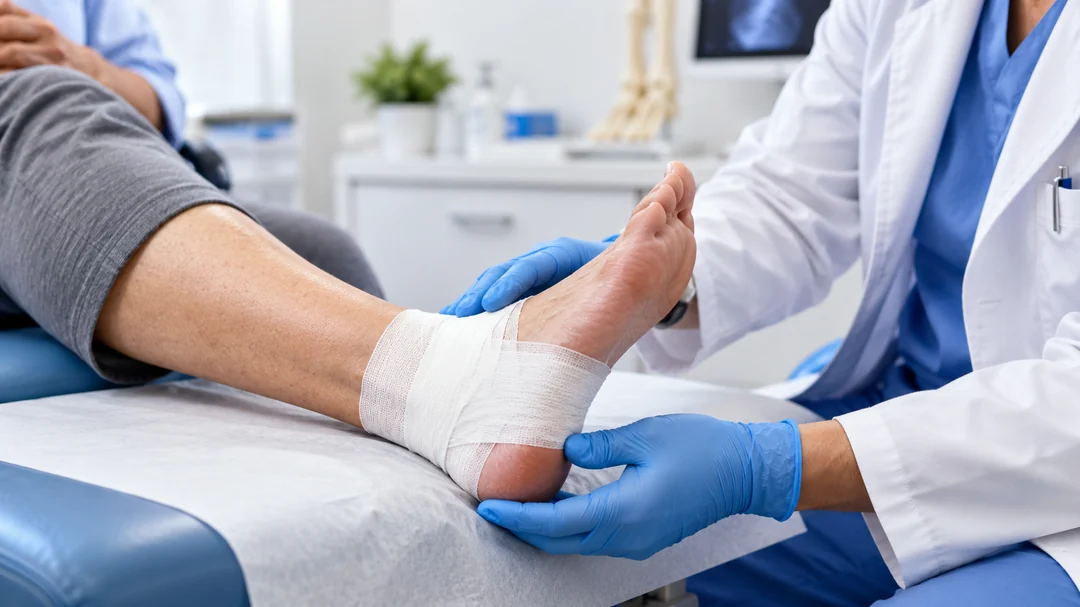
If you're receiving treatment for a slow-healing foot wound, don't hesitate to mention changes in your eating habits.
You might tell your provider that you've lost weight without trying, haven't felt hungry, or are having trouble preparing regular meals.
Those details can help your care team recognize whether nutritional assessment or additional support may be useful.
At Capital Foot Care, Dr. Muhammad A. Khalid, DPM, Dr. Riasat Ali, DPM, and Dr. Herman Zarate provide podiatric care for patients with a variety of foot health concerns.
Our services include Advanced Wound Care, Diabetic Foot Care, Peripheral Artery Disease evaluation and management, and Routine Foot Care.
Depending on your needs, your evaluation may involve assessing the wound, looking for infection, examining circulation concerns, and identifying pressure that could interfere with healing. Coordination with your other healthcare providers may also be appropriate.
Give Your Body the Support It Needs to Heal
Good nutrition cannot guarantee that a wound will heal quickly. But adequate food intake is one part of giving your body what it needs during recovery.
If you're caring for a foot wound, don't overlook the everyday habits that support your overall health.
And if that wound isn't improving as expected, professional evaluation matters. Patients with diabetes or poor circulation should seek prompt care for a new foot wound rather than waiting for it to worsen. Spreading redness, fever, increasing drainage, or rapidly changing skin color requires urgent medical attention.
Capital Foot Care welcomes patients at our locations in:
- Riverdale, Maryland — 6510 Kenilworth Ave., Suite 2300
- Takoma Park, Maryland — 7610 Carroll Ave., Suite 210
- Germantown, Maryland — 20400 Observation Drive, Suite 102
- Washington, DC — 2041 Martin Luther King Jr. Ave. SE, Suite 103
If you're concerned about a slow-healing foot wound, contact Capital Foot Care at 301-927-FOOT (3668) to request an appointment.
Because successful wound care isn't just about treating the injury. It's about caring for the person who's healing.
Frequently Asked Questions About Nutrition and Wound Healing
Can poor nutrition slow wound healing?
Yes. Inadequate calories, protein, or other essential nutrients may interfere with the body's ability to repair damaged tissue. Nutrition is one of several factors that can influence wound recovery.
Should I eat more protein if I have a foot wound?
Some patients with wounds have increased protein needs. However, the right amount depends on your health, nutritional status, and medical conditions. Ask your healthcare provider or registered dietitian for individualized guidance.
What if I don't have much of an appetite?
Smaller, more frequent meals may help. If your appetite remains poor, you're losing weight unintentionally, or you're struggling to eat enough, discuss this with your healthcare provider.
Can changing my diet heal a diabetic foot ulcer?
Nutrition can support healing, but it cannot replace professional treatment. Diabetic foot ulcers may require wound care, pressure relief, infection management, circulation assessment, and coordinated medical care.