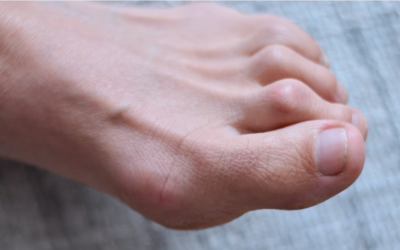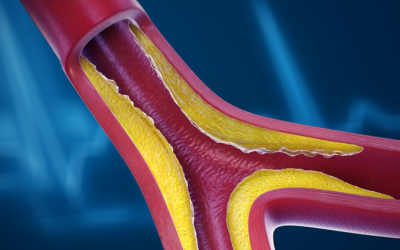
At Capital Foot Care, our experienced podiatrists understand how disruptive foot pain can be to your daily life. That’s why we provide effective and compassionate care for all types of toenail conditions, including ingrown toenails. In this article, we’ll explain the causes, available treatments, and best ways to prevent ingrown toenails from returning.
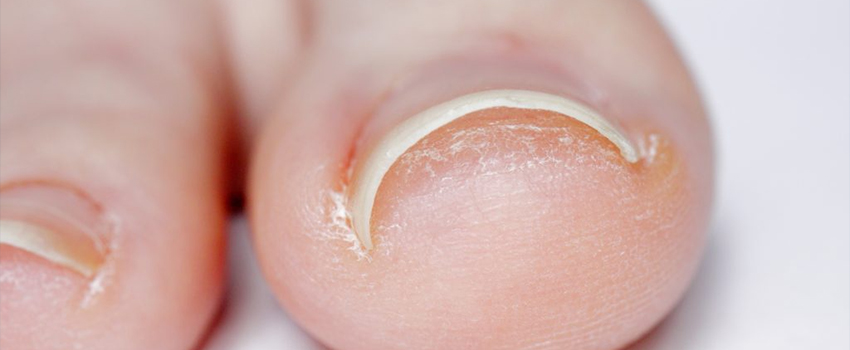
What Causes Ingrown Toenails?
Ingrown toenails occur when the corner or edge of a toenail grows into the soft skin beside it. This can lead to pain, swelling, redness, and sometimes even infection. Some of the most common causes include:
- Improper nail trimming (especially cutting nails too short or rounding the corners)
- Wearing tight-fitting shoes that place pressure on the toes
- Foot trauma or repetitive impact (common in athletes and active individuals)
- Genetic predisposition to curved nails
- Poor foot hygiene or chronic fungal infections
While anyone can develop ingrown toenails, people with diabetes, arthritis, or circulation issues are at greater risk for complications.
Treatment Options for Ingrown Toenails
Mild cases of ingrown toenails can sometimes be managed at home with warm foot soaks, over-the-counter pain relievers, and gentle nail lifting. However, if symptoms persist or signs of infection appear—such as pus, increased pain, or spreading redness—it’s time to see a podiatrist.
At Capital Foot Care, our board-certified podiatrists offer both conservative and advanced treatments:
- Nail edge trimming and lifting to guide nail growth away from the skin
- Antibiotic treatment if an infection is present
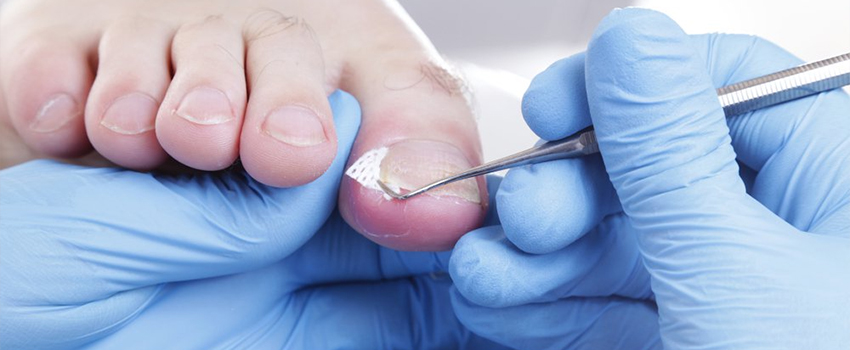
- Partial nail avulsion, a minor in-office procedure to remove the ingrown portion of the nail
- Permanent nail matrix removal, for chronic or recurring cases
These procedures are quick, minimally invasive, and performed under local anesthesia, offering long-lasting relief and quick recovery times.
How to Prevent Ingrown Toenails
Prevention is key to avoiding the discomfort and recurrence of ingrown toenails. Following these simple habits can help:
- Trim your nails straight across, not curved
- Avoid cutting nails too short
- Wear shoes with a wide toe box and good arch support
- Keep feet clean and dry to prevent fungal growth
- Inspect your feet regularly, especially if you have diabetes
If you are prone to foot problems or can’t reach your feet easily, professional routine foot care is highly recommended.
Trust Capital Foot Care for Expert Treatment
At Capital Foot Care, we specialize in providing comprehensive foot and ankle care tailored to your needs. Our dedicated providers—Dr. Muhammad A. Khalid, DPM, Dr. Fritz-Andre Duterlein, and Dr. Herman Zarate—bring years of expertise in treating conditions like ingrown toenails, diabetic foot complications, and chronic wounds.
We’re committed to keeping your feet healthy and pain-free with a full range of services, including:
- Routine foot care
- In-office surgical procedures
- Diabetic foot care and wound management
- Peripheral Artery Disease (PAD) evaluation and treatment
- Sports medicine for foot injuries
With multiple convenient locations across Maryland and Washington, DC, expert care is always within reach.
Say goodbye to foot pain—say hello to lasting relief.

Contact Capital Foot Care today to schedule your appointment and let our podiatry specialists help you walk comfortably again.