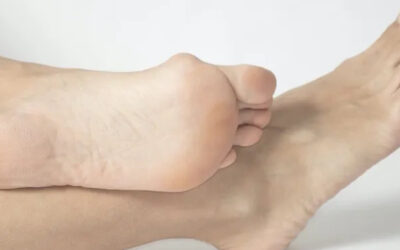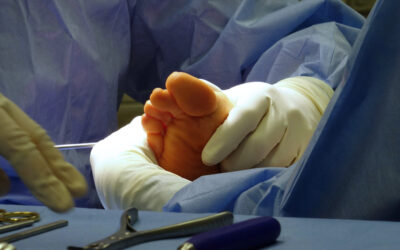
Hammer toe is more than just a cosmetic issue. It’s a painful foot condition that, when left untreated, can severely impact your mobility and quality of life. The term “hammer toe” refers to a deformity where one of the smaller toes bends at the middle joint, creating a hammer-like appearance. This abnormal bending can lead to discomfort, corns, calluses, and difficulty wearing shoes. For many patients, daily life becomes an ongoing challenge.
At Capital Foot Care, our experienced podiatry team has helped countless patients overcome hammer toe and regain comfortable, confident movement. With multiple office locations in Riverdale, Takoma Park, Largo, and Washington, DC, we make high-quality foot care accessible to the greater Maryland and DC communities.
What Causes Hammer Toe?
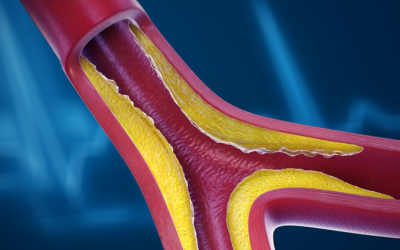
Hammer toe typically results from an imbalance in the muscles, tendons, or ligaments that normally hold the toe straight. Some common contributing factors include poorly fitting shoes, foot trauma, arthritis, and even genetics. People with diabetes or Peripheral Artery Disease (PAD) may also be more prone to developing toe deformities due to weakened muscle control and nerve damage.
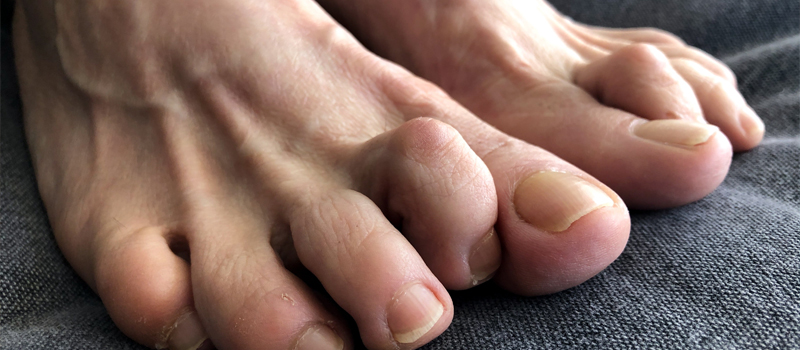
Over time, what may begin as a flexible bend in the toe can become rigid and fixed, making non-surgical correction much more difficult. That’s why early intervention is key.
Recognizing the Symptoms
Symptoms of hammer toe often begin mildly but can worsen without treatment. You may notice one or more toes beginning to curl downward. Pain, swelling, redness, and thickened skin from shoe friction are common. Some patients also experience difficulty walking or wearing shoes that used to fit comfortably.
If you’re noticing these signs, it’s time to schedule a visit with one of our skilled podiatrists at Capital Foot Care. Our providers—Dr. Muhammad A. Khalid, DPM, Dr. Fritz-Andre Duterlein, and Dr. Herman Zarate—are experts in diagnosing and treating hammer toe at all stages.
Treatment Options: Non-Surgical and Surgical
The good news is that hammer toe is treatable, especially when caught early. Conservative (non-surgical) approaches are usually the first step. These may include wearing shoes with a roomy toe box, using orthotic inserts, toe splints, or physical therapy exercises to stretch and strengthen the toe muscles.
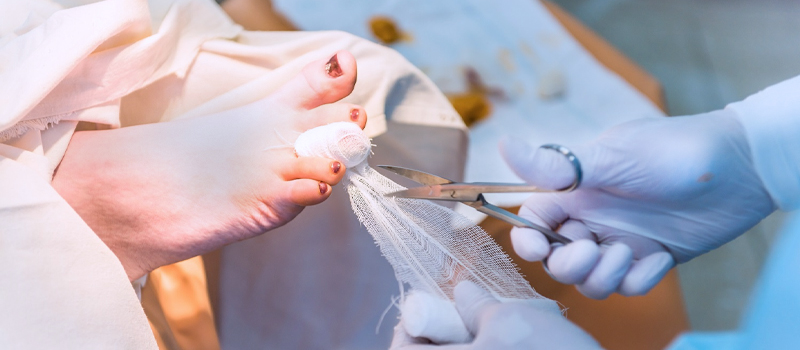
In cases where the toe has become stiff and unresponsive to conservative care, in-office surgical correction may be recommended. At Capital Foot Care, we offer minimally invasive procedures to straighten the toe, realign tendons, or remove problematic bone segments. These procedures are often done on-site, with little downtime, allowing patients to recover comfortably and return to normal activity more quickly than traditional hospital surgery.
Why Choose Capital Foot Care?
At Capital Foot Care, we don’t believe in one-size-fits-all treatment. We tailor your care plan to match the severity of your condition, your activity level, and your long-term health goals. With a comprehensive suite of services—ranging from routine foot care and diabetic foot exams to advanced wound care and in-office surgery—we’re here to address all your foot health needs.
Patients from all over the DMV area trust us for our expertise, compassionate care, and focus on results. Whether you’re dealing with a mild toe deformity or advanced foot pain, our team is here to help you take the next step toward healing.
Take the First Step Today
Don’t let hammer toe slow you down. Early diagnosis and proper treatment can prevent long-term discomfort and help restore your mobility. If you’re ready to explore treatment options, Capital Foot Care is here to support you.

Schedule your consultation by calling 301-927-3668 or emailing [email protected]. Let us help you step into comfort again—with confidence.