
Capital Foot Care Articles
Do You Need Diabetic Shoes? When Everyday Footwear May Not Be Enough
In this article
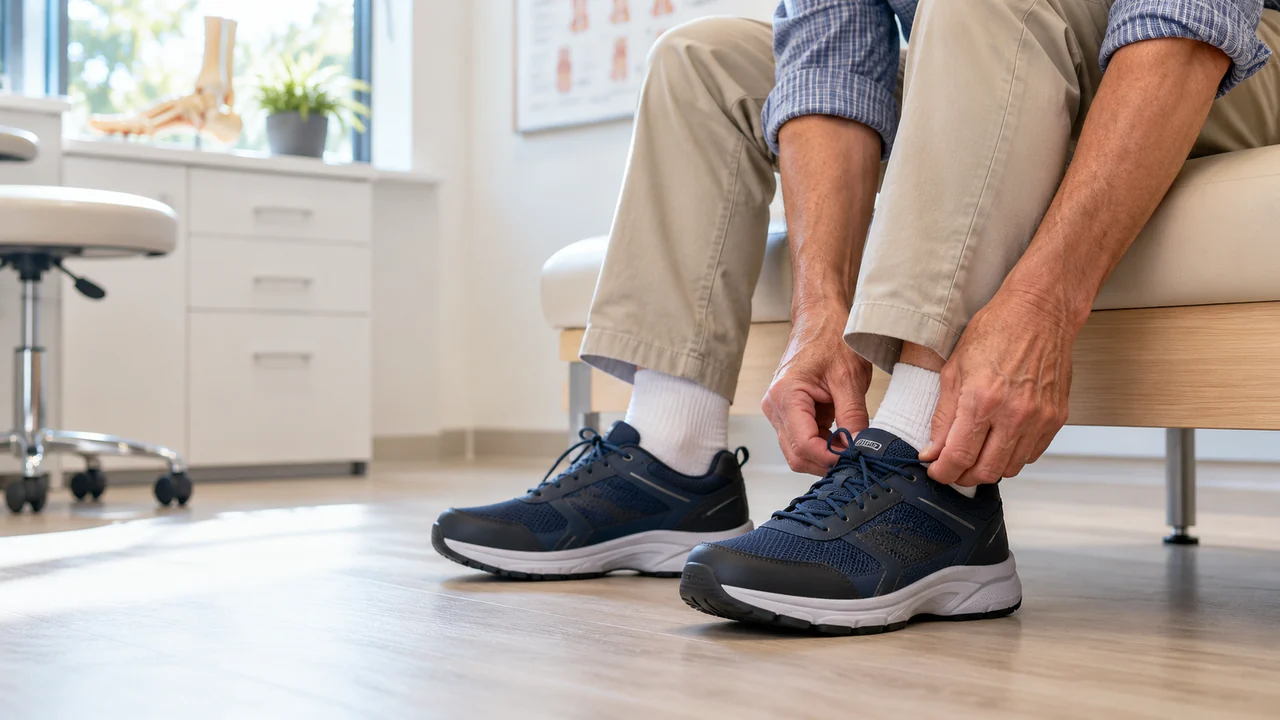
Buying new shoes should be simple. You find a pair you like, try them on, walk around a little, and decide whether they feel comfortable.
But when you have diabetes, there's an important question that goes beyond comfort: Are these shoes actually protecting your feet?
The answer may depend on more than your shoe size. Changes in sensation, foot shape, circulation, and your history of foot problems can influence what type of footwear is appropriate for you.
At Capital Foot Care, we encourage patients to think of footwear as part of their overall diabetic foot care routine. The goal isn't necessarily to buy expensive specialty shoes. It's to find footwear that protects your feet without creating unnecessary pressure or irritation.
Not Everyone With Diabetes Needs Special Shoes
One common misconception is that being diagnosed with diabetes automatically means you need prescription diabetic shoes.
That isn't always the case.
If you have normal sensation, no significant foot deformities, and no history of diabetic foot ulcers, properly fitted everyday walking or athletic shoes may provide suitable protection.
However, your needs can change.
Diabetes may contribute to nerve damage, circulation problems, and changes in foot structure. These conditions can make ordinary shoes less appropriate, even if you've worn the same style for years.
The most important question isn't whether a shoe carries a diabetic-friendly label. It's whether that shoe is appropriate for your feet and your individual risk factors.
When Regular Footwear Might Not Be Enough
If You Have Numbness or Reduced Sensation
Imagine walking around all afternoon with a small pebble inside your shoe.
Most people would notice the discomfort immediately. But someone with diabetic neuropathy might not feel it at all.
That loss of protective sensation makes shoe selection especially important. Friction or pressure can damage the skin without causing the pain that would normally warn you.
If you experience numbness, tingling, or reduced sensation, discuss your footwear with a podiatrist before choosing shoes based on comfort alone.
Learn more in our article, Diabetic Neuropathy: Early Signs, Prevention Tips, and When to See a Podiatrist.
If Your Feet Have Changed Shape
Bunions, hammertoes, prominent bones, and other changes in foot structure can create areas where shoes repeatedly rub or apply pressure.
You might notice that shoes that once fit perfectly have suddenly become uncomfortable.
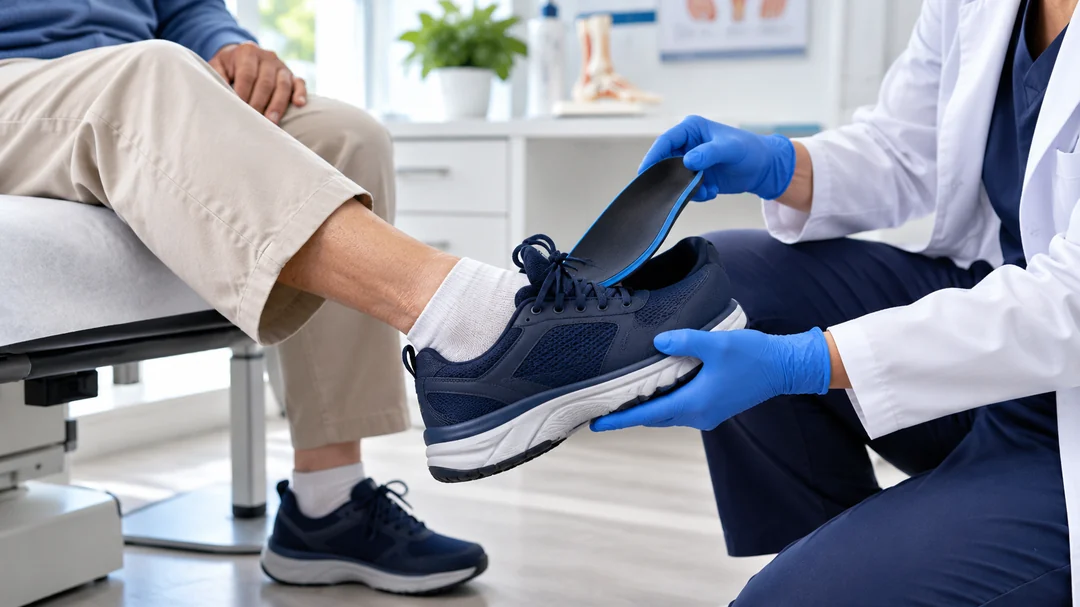
Instead of forcing your feet into your usual size, consider having them evaluated. Some patients benefit from extra-depth shoes, specially designed inserts, or therapeutic footwear that accommodates their foot shape.
If You've Had a Diabetic Foot Ulcer
A previous foot ulcer changes the conversation considerably.
Even after a wound has healed, the affected area may remain vulnerable to repeated pressure. In some cases, professionally prescribed therapeutic footwear with demonstrated pressure relief may be recommended to reduce the risk of another ulcer.
If you currently have an open foot wound, don't try to solve the problem simply by purchasing larger shoes. You should receive prompt professional evaluation because specialized pressure-relieving treatment may be necessary.
The Real Test Happens When You Try Shoes On
A shoe can look supportive on the shelf and still be completely wrong for your feet.
When shopping, start by having both feet measured while standing. One foot may be slightly larger than the other, and your shoe size may change over time.
Try shopping later in the day, when your feet may be a little more swollen. Wear the same type of socks you normally use.
Once the shoes are on, stand up and walk around.
Your toes should have adequate room without touching the front of the shoe. Your heel shouldn't slide excessively, and you shouldn't feel squeezing across the widest part of your foot.
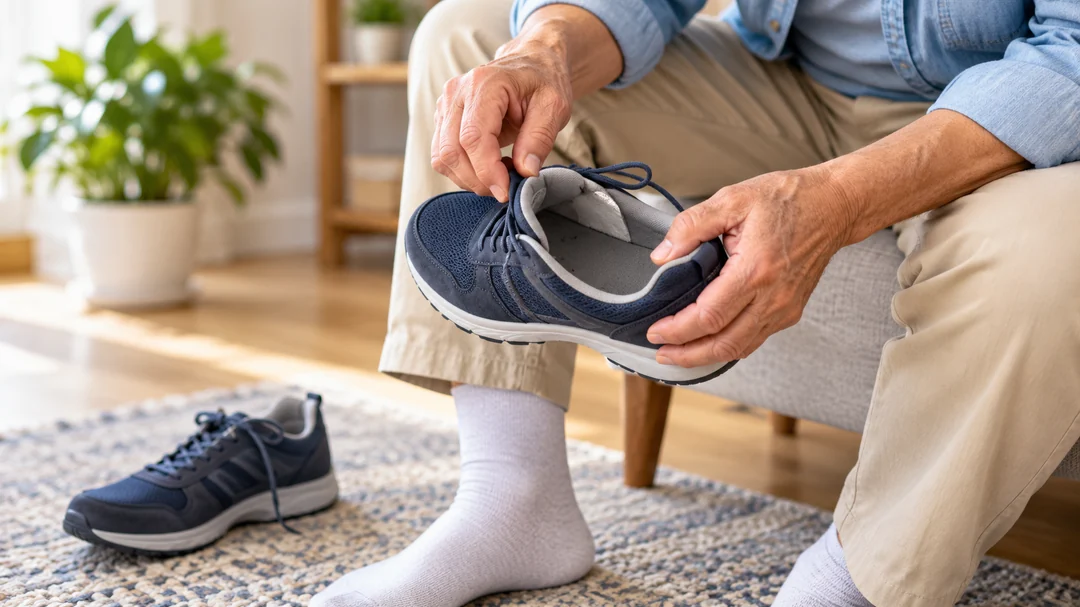
Pay attention to the shoe's interior, too. Rough seams, folded insoles, or areas that press against prominent bones can cause irritation.
Most importantly, don't assume that a shoe will eventually become comfortable if you continue wearing it.
The right shoe should fit properly from the beginning.
For more information about general diabetic footwear features, see our earlier guide, How to Choose the Right Footwear for Diabetic Feet.
What Happens After You Bring Your Shoes Home?
This is where many people stop paying attention.
They've purchased comfortable shoes, so they assume everything is fine.
But even a carefully selected pair deserves a little extra attention during the first several days.
Begin wearing new shoes for short periods. The Centers for Disease Control and Prevention recommends starting with approximately one or two hours at a time.
After removing them, inspect your feet.
Look for redness, blisters, rubbing, unusual warmth, or irritated areas, especially around the toes and heels.
If you notice new skin changes, stop wearing the shoes and seek professional advice. Don't continue wearing them in the hope that the problem will disappear.
This is particularly important for people with neuropathy because discomfort may not accurately reflect the amount of pressure being placed on the skin.
What About Shoes You Wear Around the House?
You may have found excellent walking shoes, but what happens when you get home?
Many people immediately remove their shoes and spend the evening walking barefoot.
For someone with diabetic neuropathy, that can create unnecessary risk. A small object on the floor, a rough surface, or an unnoticed injury could damage the foot.
Protective indoor footwear can be a good option.
Choose slippers or indoor shoes that cover and protect the feet, stay securely in place, and have a suitable sole. Avoid relying on thin, loose slippers that can slip off or expose your feet to injury.
The same attention you give your outdoor shoes should extend to what you wear at home.
Your Podiatrist Can Help You Make the Right Decision
Shopping for shoes shouldn't leave you guessing about your health.
At Capital Foot Care, our providers can evaluate foot structure, skin condition, sensation, and circulation concerns to help determine whether your current footwear is appropriate.
Dr. Muhammad A. Khalid, DPM, Dr. Riasat Ali, DPM, and Dr. Herman Zarate provide care for patients managing diabetes and other foot conditions.
Our services include Diabetic Foot Care, Routine Foot Care, Advanced Wound Care, and Peripheral Artery Disease (P.A.D.) evaluation and management.
A professional evaluation is especially valuable if you have recurring calluses, foot numbness, changing foot shape, previous ulcers, or difficulty finding shoes that fit properly.
Protect Your Feet With Every Step
Choosing footwear isn't about finding the most expensive shoe or the most recognizable brand.
It's about understanding what your feet need today.
Sometimes a properly fitted everyday shoe is enough. Other times, changes in sensation, pressure, or foot structure mean that specialized footwear should be considered.
Capital Foot Care serves patients in Riverdale, Takoma Park, Germantown, Maryland, and Washington, DC.
If you're unsure whether your shoes are providing enough protection, contact Capital Foot Care at 301-927-FOOT (3668) to schedule a diabetic foot evaluation.
A little attention to your footwear today can help protect your mobility and foot health tomorrow.
Frequently Asked Questions About Diabetic Footwear
Do all people with diabetes need prescription diabetic shoes?
No. Many people with diabetes can wear properly fitted, protective everyday shoes. Therapeutic footwear may be recommended for patients with particular risk factors, including significant foot deformities, loss of protective sensation, or previous foot ulcers.
Can I wear regular sneakers if I have diabetic neuropathy?
Possibly, but the shoes must provide adequate protection and fit your individual foot needs. Because neuropathy reduces sensation, a podiatrist can help determine whether standard sneakers are appropriate or whether specialized footwear is needed.
Is buying a larger shoe size safer for diabetic feet?
Not necessarily. Shoes that are too loose can allow the foot to slide, creating friction and pressure. Proper length, width, depth, and heel security are all important.
How do I know when my shoes need replacing?
Check for worn soles, uneven wear, damaged interiors, reduced cushioning, or changes in fit. If you notice recurring redness, calluses, or irritation, have your feet and footwear evaluated rather than relying only on the shoe's age.