Peripheral Artery Disease (PAD) is a circulatory condition that occurs when narrowed arteries reduce blood flow to the limbs—most commonly the legs. PAD affects millions of Americans and is often underdiagnosed because its early symptoms can be subtle or mistaken for normal aging. Yet recognizing the early signs of PAD is essential for avoiding serious complications such as non-healing wounds, infections, and even limb loss.
At Capital Foot Care, we specialize in identifying and managing Peripheral Artery Disease through advanced diagnostic techniques and customized treatment plans. With locations throughout Maryland and the DC area, our expert podiatrists are here to help patients take control of their vascular health before PAD becomes life-altering.
Why Early Detection Matters
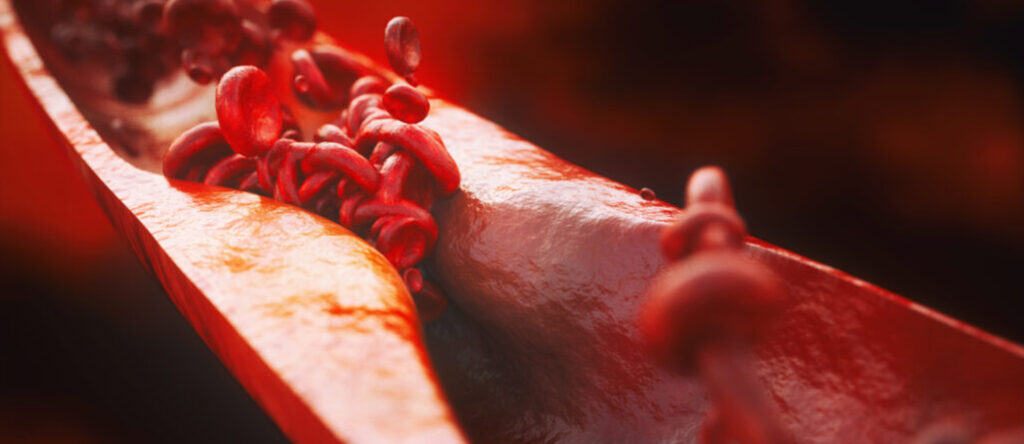
PAD is more than just a “circulation problem.” It is often an indicator of widespread atherosclerosis—meaning plaque buildup in the arteries throughout your body. This puts patients at greater risk for heart attack and stroke. In its early stages, PAD can be managed effectively, often without surgery. However, untreated PAD can lead to severe pain, tissue damage, ulcers, and amputation. That’s why early detection is critical.
Common Early Symptoms of PAD
The earliest signs of PAD can be easy to ignore or brush off. If you experience any of the following symptoms—especially if you have diabetes, high cholesterol, high blood pressure, or a history of smoking—it’s important to speak with a specialist:
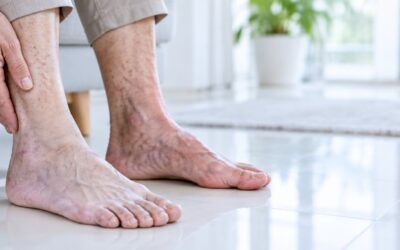
Many patients report leg pain or cramping during activity (called claudication), which improves with rest. This is due to the muscles not getting enough oxygen-rich blood during movement. Other early signs include numbness or weakness in the legs, coldness in one leg compared to the other, and slow-growing toenails or loss of leg hair. You may also notice shiny or pale skin on your legs and wounds or sores that are slow to heal, especially around the toes or feet.

These symptoms might not seem serious at first glance, but they can be early warnings of significant circulatory issues that require immediate attention.
PAD and Foot Health: A Critical Connection
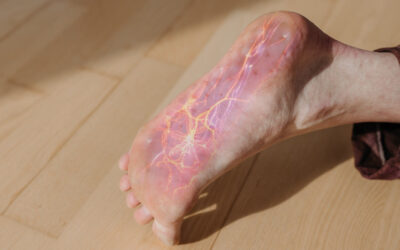
Your feet are often the first place where PAD makes itself known. Because your feet and toes are furthest from the heart, any reduction in blood flow affects them the most. Reduced circulation makes it harder for cuts and blisters to heal, which can quickly lead to infection, ulcers, or even gangrene—especially in patients with diabetes.
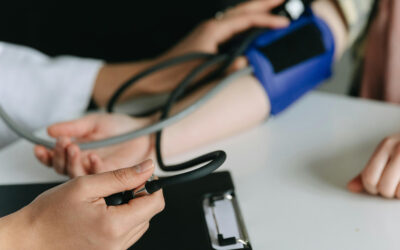
At Capital Foot Care, our providers—Dr. Muhammad A. Khalid, DPM, Dr. Fritz-Andre Duterlein, and Dr. Herman Zarate—work closely with patients to identify circulatory concerns early, even before pain or ulcers develop. With routine foot exams and non-invasive tests like ankle-brachial index (ABI), we can measure blood flow and assess PAD risk accurately.
Comprehensive PAD Management at Capital Foot Care
We don’t just diagnose PAD—we help manage it every step of the way. Treatment plans may include lifestyle changes, walking programs, medication to improve blood flow, and wound care support. For patients with more advanced disease, we coordinate care with vascular specialists for procedures that restore proper circulation.
Our office also provides routine diabetic foot care, wound management, and in-office surgical solutions to prevent and treat complications associated with PAD. We believe in taking a multidisciplinary, patient-centered approach to foot and vascular health.
Take Action Today
Ignoring the early signs of Peripheral Artery Disease can lead to devastating consequences. If you’re experiencing leg pain, numbness, or slow-healing wounds, don’t delay. The sooner PAD is detected, the easier it is to manage.
Call Capital Foot Care today at 301-927-3668 or email [email protected] to schedule a comprehensive foot and vascular health evaluation. With convenient locations in Riverdale, Takoma Park, Largo, and Washington, DC, expert care is just around the corner.