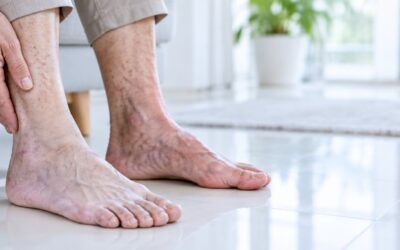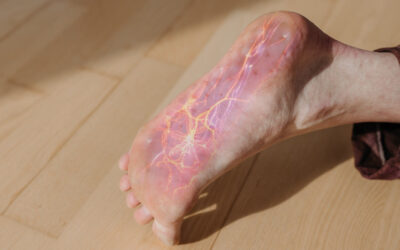
Wound healing is a complex and dynamic process that requires the body to repair damaged tissue and restore skin integrity. For many patients, especially those with chronic conditions such as diabetes or Peripheral Artery Disease (PAD), healing a wound can become a long and challenging journey. Understanding what to expect during each phase of wound recovery helps patients actively participate in their care and reduces the risk of complications.
At Capital Foot Care, we specialize in advanced wound care with a patient-first approach. Our dedicated providers—Dr. Muhammad A. Khalid, DPM, Dr. Fritz-Andre Duterlein, and Dr. Herman Zarate—bring years of experience in podiatric medicine and diabetic foot care. With multiple convenient locations across Maryland and Washington, DC, we’re here to guide you every step of the way.
Understanding the Phases of Wound Healing
Wound healing occurs in several overlapping stages: hemostasis, inflammation, proliferation, and maturation. Each of these stages is vital to recovery, and a disruption in any phase can result in delayed healing or infection.
- Hemostasis (Immediate Response)
This initial phase begins as soon as the injury occurs. Blood vessels constrict to minimize blood loss, and platelets gather to form a clot. This stage usually happens quickly but is critical in setting the stage for healing. If you’re taking blood thinners or have poor circulation, this step may take longer or require medical intervention. - Inflammation (First Few Days)
Inflammation is the body’s natural defense mechanism. White blood cells rush to the site to fight off bacteria and begin cleaning out damaged tissue. It’s common to see redness, warmth, and slight swelling—signs your body is working to protect the wound. However, prolonged or excessive inflammation, especially in diabetic patients, can lead to complications and infections. - Proliferation (Days to Weeks)
During this stage, new tissue starts to form. Collagen is produced, and blood vessels regenerate, supplying the wound with essential oxygen and nutrients. Granulation tissue appears as a pink or red area within the wound. Proper wound care, offloading pressure, and good nutrition are crucial during this phase to encourage tissue regrowth and prevent re-injury. - Maturation (Weeks to Months)
Also known as the remodeling phase, this final step involves strengthening and realigning new tissue. Scar tissue forms, and over time, the wound closes completely. While the wound may look healed externally, deeper tissue may still be maturing. Consistent care is essential during this period to avoid setbacks or ulcer recurrence.
The Importance of Professional Wound Care
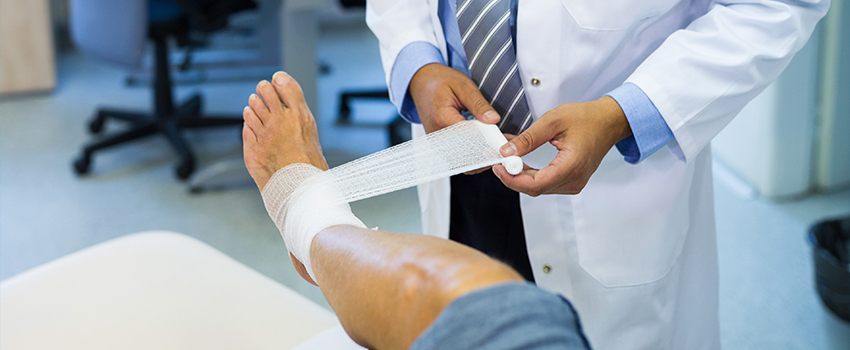
Wound healing isn’t always straightforward, especially for patients with underlying health conditions. At Capital Foot Care, we offer advanced wound care services, including debridement, infection control, offloading solutions, and comprehensive evaluations. Our team tailors every treatment plan to the individual’s needs, ensuring the wound progresses through each healing phase successfully.

Diabetic Foot Care and PAD Management
Patients with diabetes or Peripheral Artery Disease are particularly at risk for chronic wounds and ulcers. Poor blood circulation and nerve damage can lead to unnoticed injuries and slow healing. Our experienced doctors provide routine foot exams, vascular assessments, and preventive treatments to reduce the risk of limb-threatening infections.
Why Choose Capital Foot Care?
With multiple locations in Riverdale, Takoma Park, Largo, and Washington, DC, Capital Foot Care makes access to expert podiatric care convenient and reliable. Our services include:
- Advanced Wound Care
- Diabetic Foot Care
- In-Office Surgery
- Sports Medicine
- Routine Foot Care
- PAD Diagnosis and Treatment
Whether you’re managing a chronic wound or simply seeking preventive care, our board-certified podiatrists are committed to delivering compassionate, effective treatment.

Schedule Your Appointment Today
Don’t let a small wound become a big problem. Early intervention and expert care are the keys to optimal recovery. If you or a loved one is struggling with foot wounds, call Capital Foot Care at 301-927-FOOT (3668) or email [email protected] to schedule your consultation today.